KIA ORA FROM THE CAPITAL
Grown by the sea.
With nature at the heart of what we do.
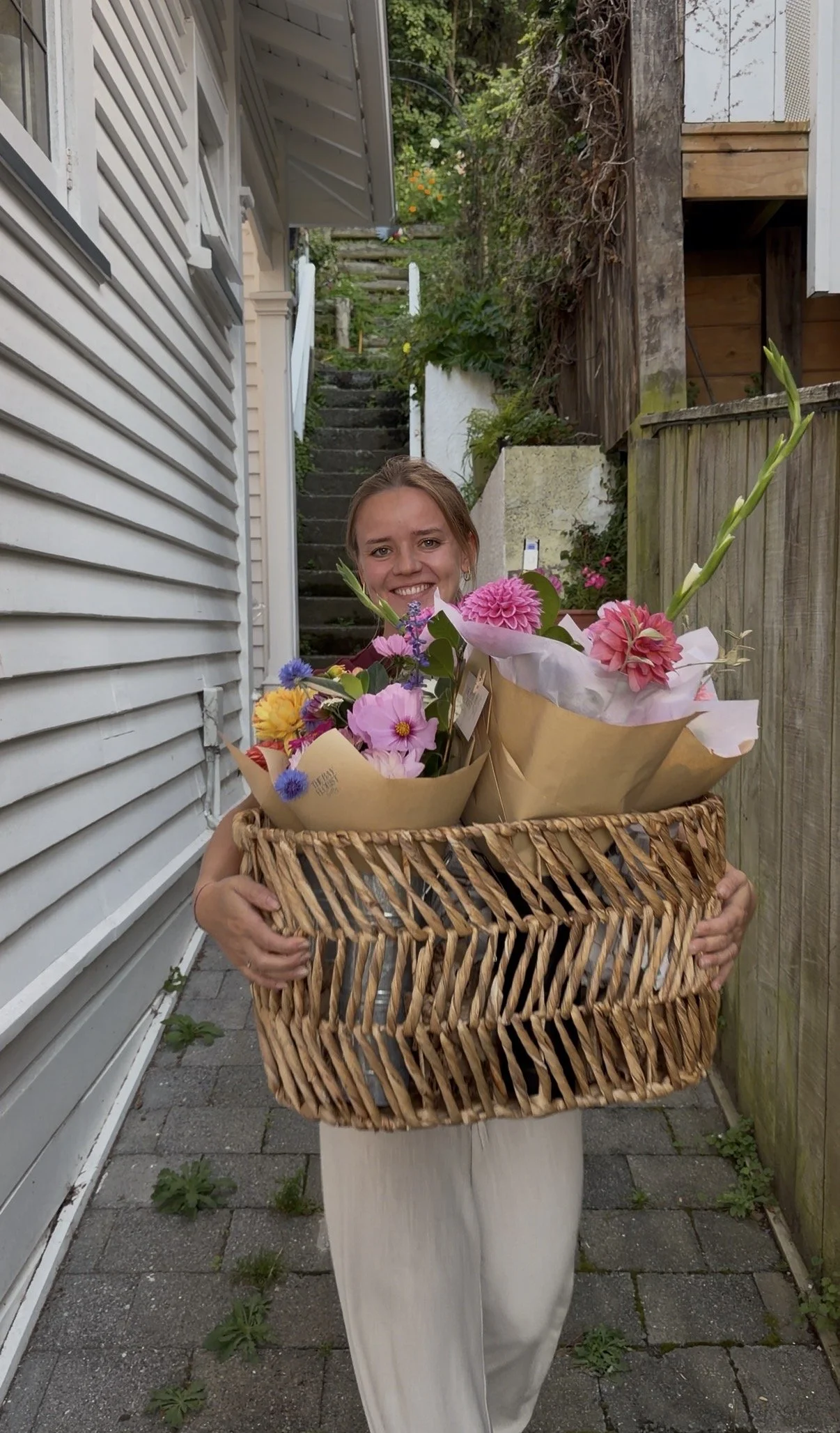
We're a small floral studio and boutique flower grower in Oriental Bay, arranging seasonal stems for everyday moments, big days, and the wild coast we call home.
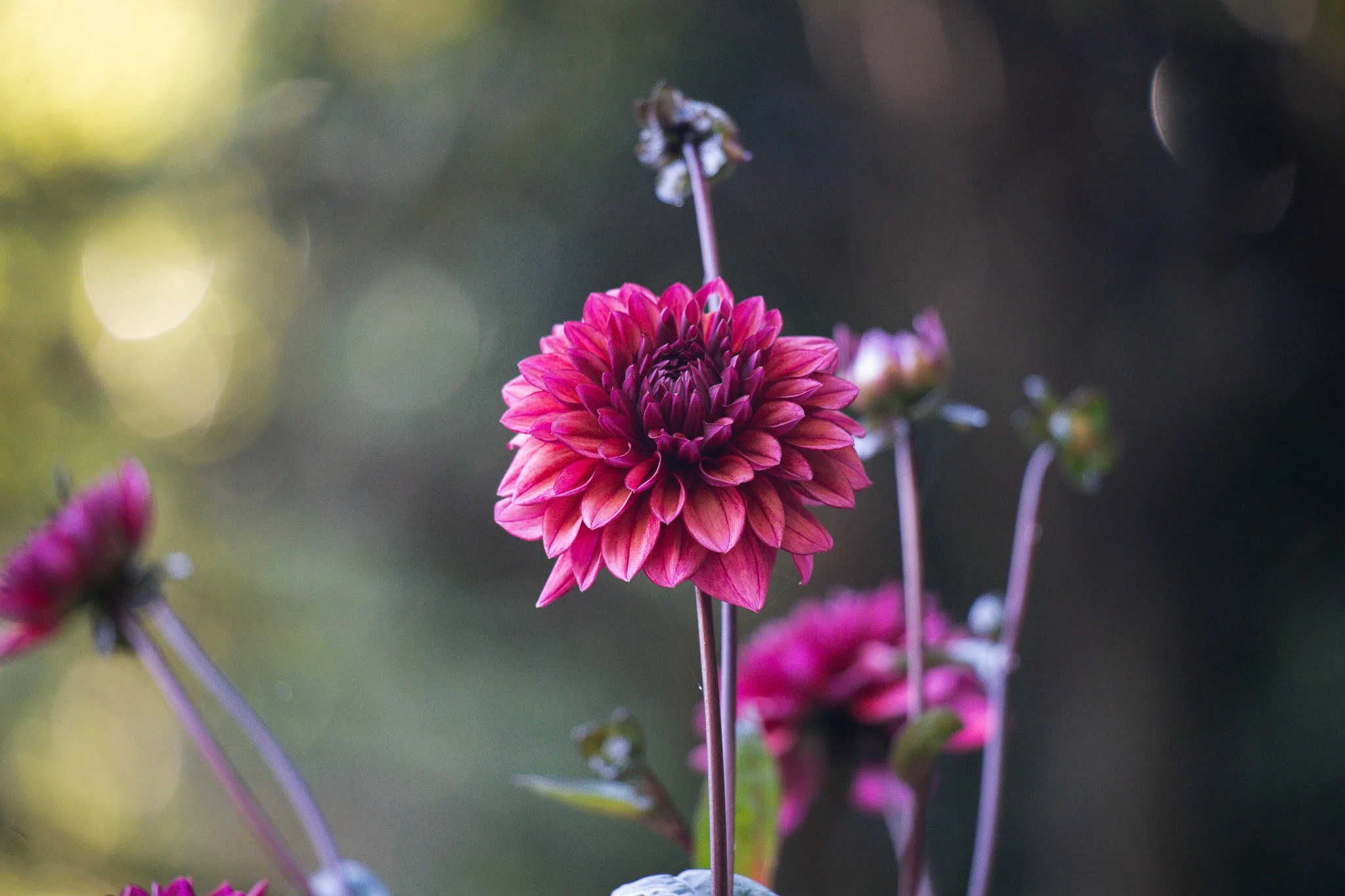
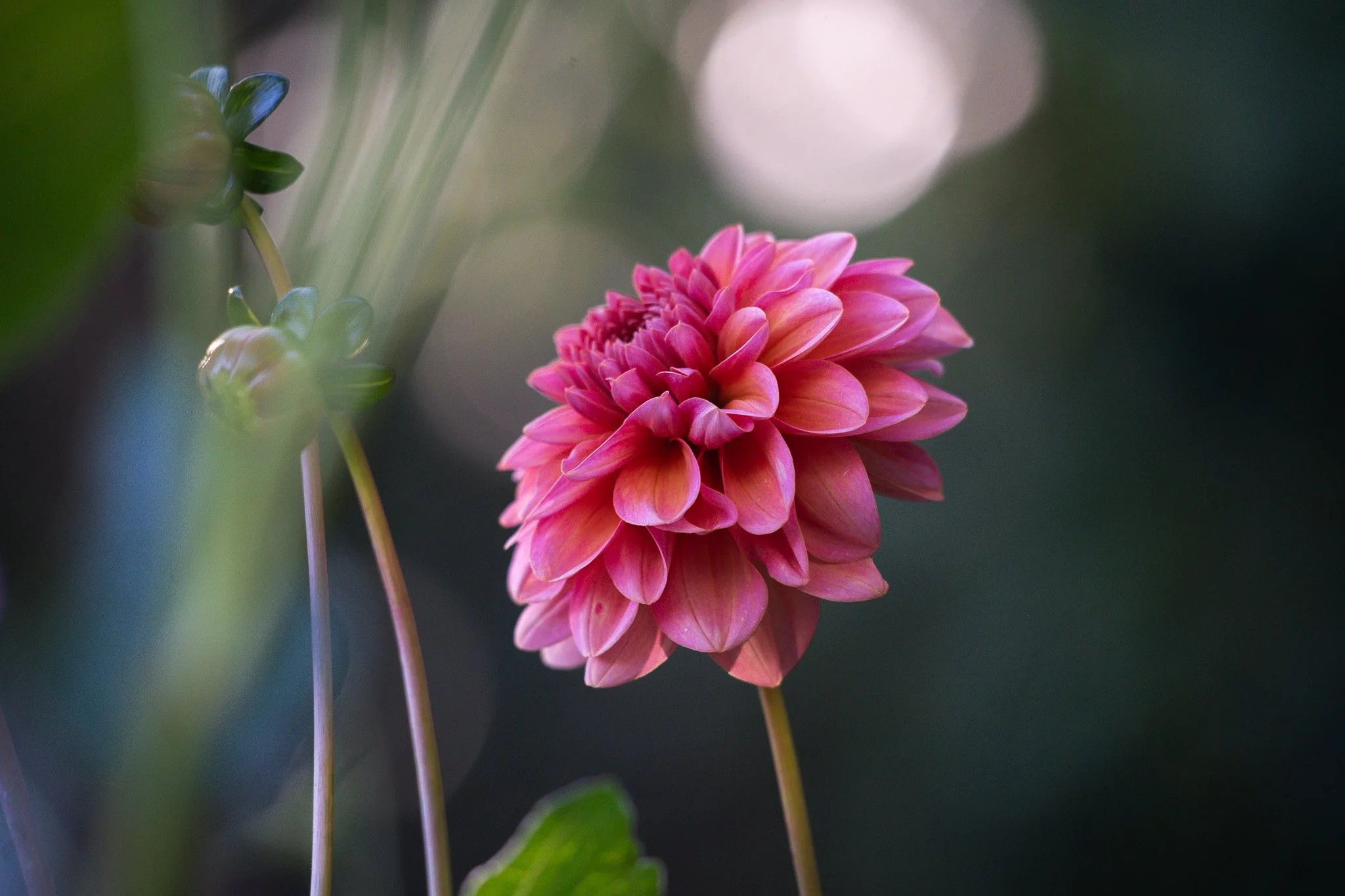
he Bay Florist began with a bucket of Dahlia stems and a fold-out table in front of our garage. No website, no fridge, just a few buckets of what was flowering that week and a hand-lettered sign that said grown here in Oriental Bay and picked fresh this morning.
T
That's still the whole idea. We arrange with what the season and the bay give us: salt-tolerant natives, hardy annuals, foraged texture, and the stoic focal flowers that survive the Wellington winds; we grow ourselves through the long Wellington summer.
We work the way the tide does — seasonally, locally, and never in a hurry.
oday we're a floral studio and a small flower patch, but the rhythm hasn't changed. Bunches are made the morning they leave us. Tubers are lifted, divided and labelled by hand over winter. Seed, most of the time, is saved from the plants that did best in the salty Wellington winds. Every tenth bunch we sell puts a little back into native planting days around the bay — for the bees, the tūī, and the tide.
T
Conservation
When we started this journey, our primary goal wasn't just to grow beautiful flowers; it was to increase biodiversity and create a self-regulating ecosystem.
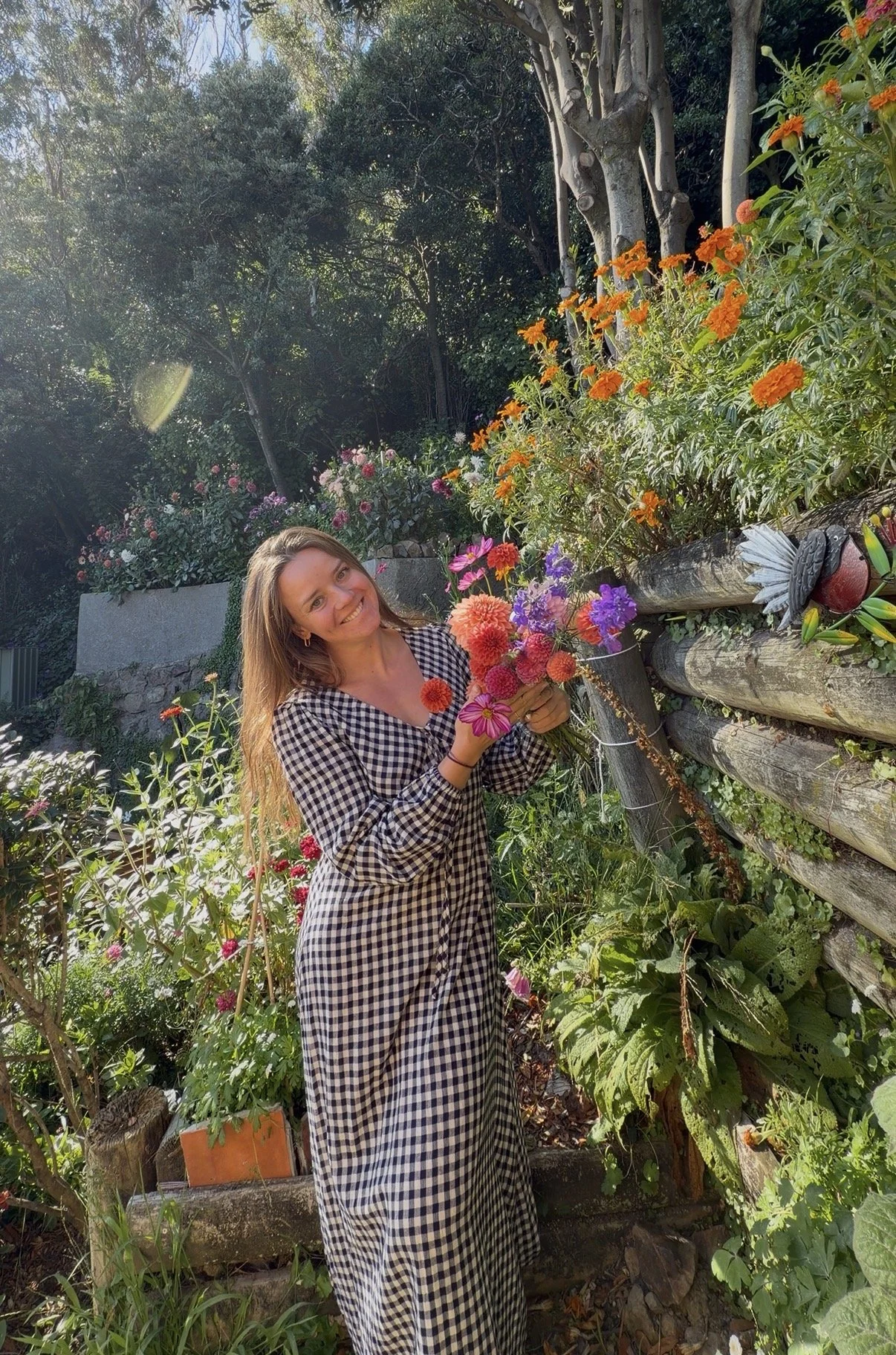
Beyond being a grower and florist, my (Arlette's) main career is actually in conservation. A core focus of my work is looking at ecosystems from a systems perspective, understanding the benefits nature provides to us, and how everything is intricately connected.
We are incredibly lucky to live close to the Wellington green belt, which gives us a huge advantage, but we’ve also been deeply intentional about what we plant and where. When we started back in June, we struggled quite a bit with pests. Now, after establishing our perennials and native plants in the right spots, we’re seeing natural self-regulating mechanisms unfold in the garden. It is a little real-life version of Lotka–Volterra predator-prey equations playing out right in our backyard! 🙂
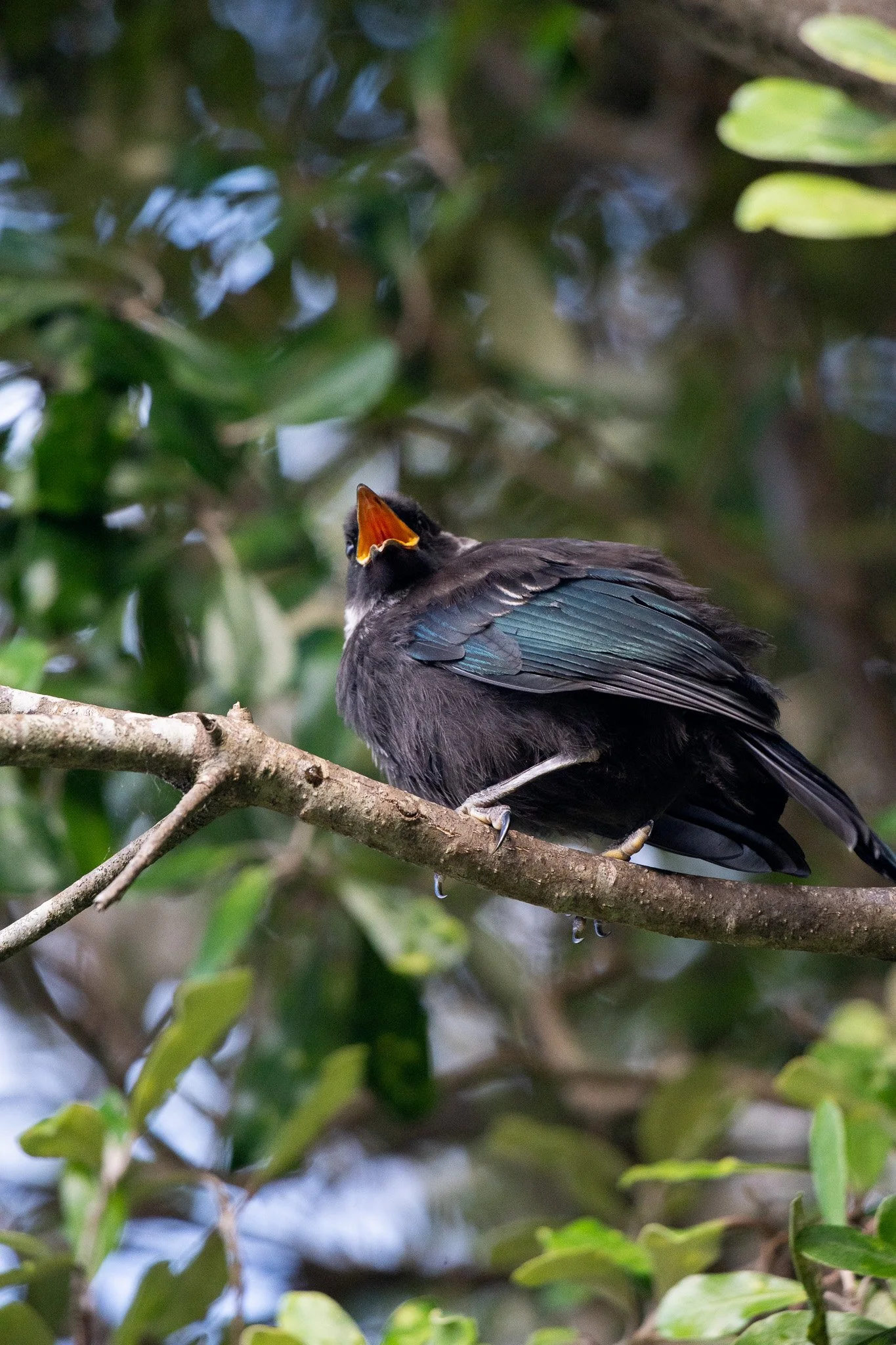
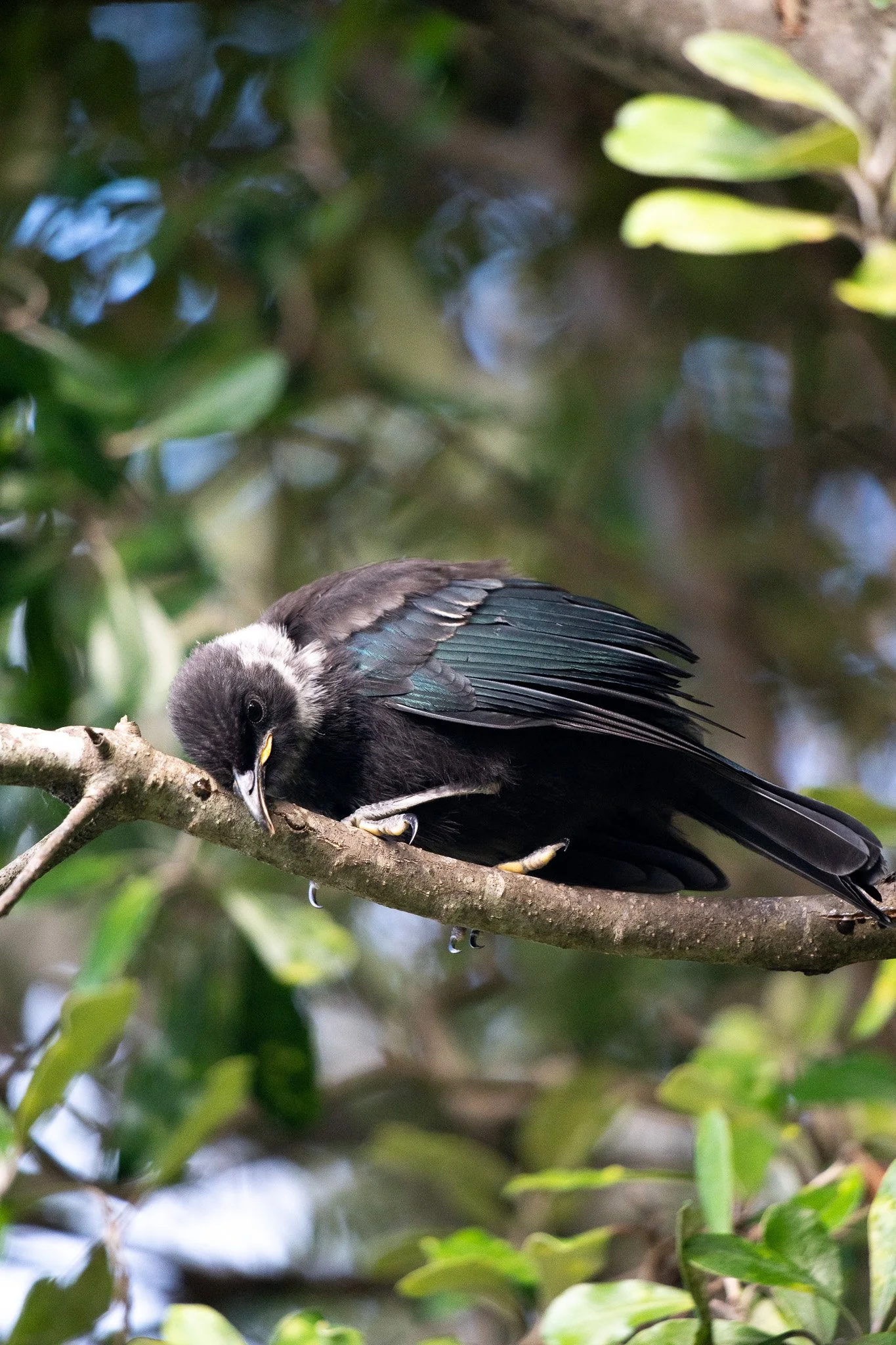
A juvenile Tūī growing up in our backyard
Perfectly Imperfect Harmony
We believe that a beautiful garden doesn't have to be a sterile one. Our hillside is a living, breathing habitat:
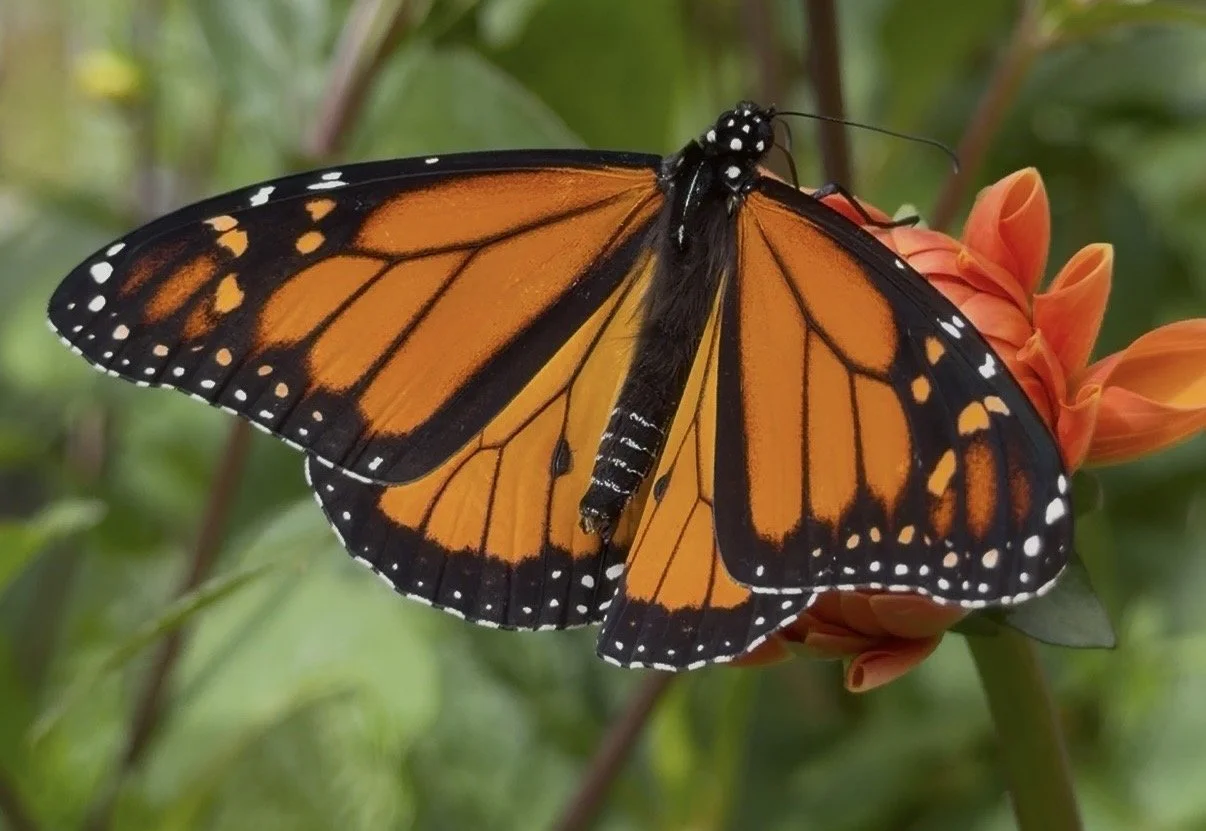
The Monarchs: We planted lots of swan plants to give tiny monarchs the best chance at survival. Since they’ve hatched, our butterfly population has exploded. They all seem to have their favorite flowers, and watching them flutter around truly feels like home.
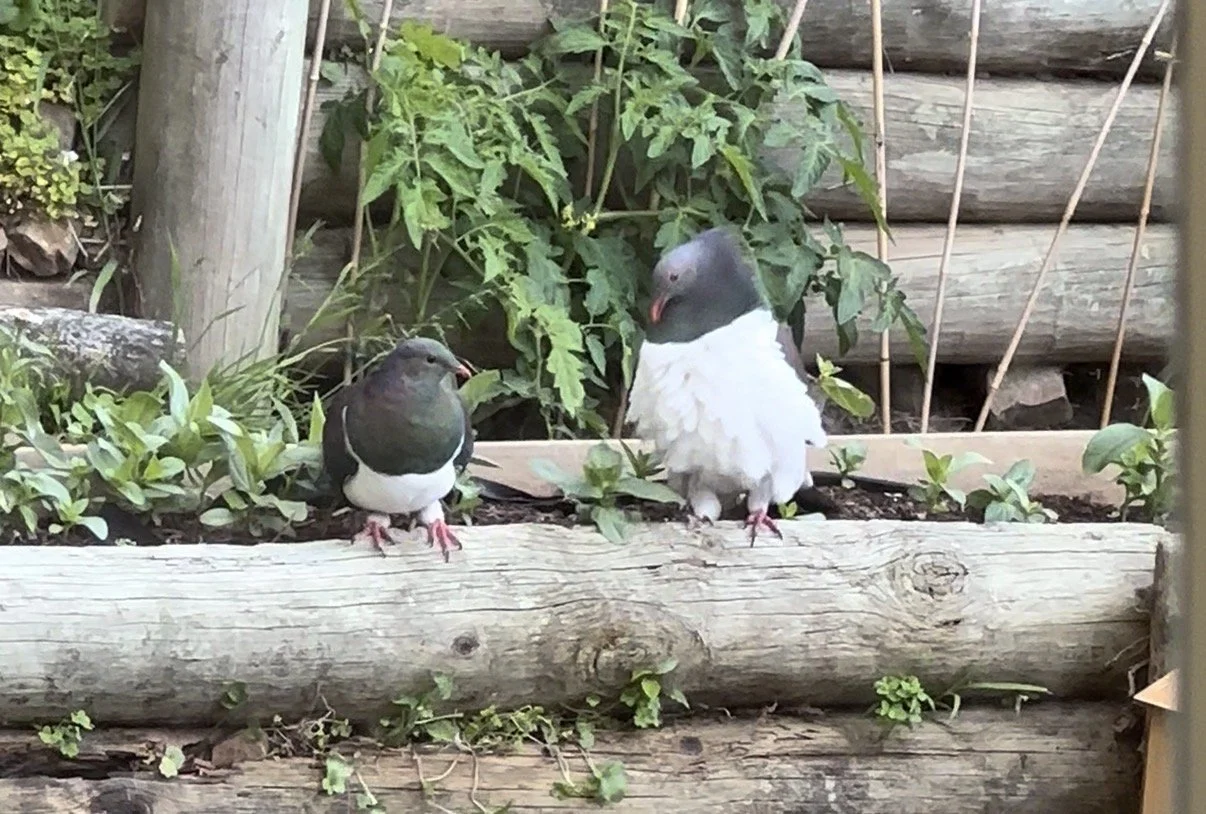
The Native Wildlife: We actively trap with Predator Free NZ and recently captured a viral video of Kererū mating right in our garden! It is our way of showcasing that gardens can be beautifully imperfect, productive, and still fiercely protect our native wildlife.